
Understanding Male Physiological Well-being
A structured reference exploring the biological, environmental, and contextual dimensions of male vitality and balance.
Explore the TopicMale physiological well-being is a broad and multifaceted subject that encompasses the interplay of biological systems, lifestyle patterns, environmental conditions, and historical understandings of vitality. Aevoro exists to present this subject in a structured, informational format — one that values clarity over simplification and context over prescription.
"Understanding the body begins not with answers, but with the right questions about balance, environment, and rhythm."
This resource organizes knowledge into distinct thematic areas, each examined from an editorial standpoint. The materials presented here are designed to contextualize, not to direct. Readers are encouraged to engage with the content as a foundation for their own informed understanding of male physiology and well-being.
Across these pages, you will find explorations of daily rhythms, environmental influences, historical perspectives, and the terminology that shapes discourse around male health. No single theme is treated as complete or conclusive — the aim is breadth of context and depth of understanding.
How This Resource Is Organized
Male physiological well-being does not exist in isolation. It is shaped by a constellation of factors — from the quality of sleep to the rhythm of daily movement, from nutritional patterns to the textures of the environment one inhabits. Aevoro structures these dimensions into readable thematic areas.
- Biological context: how male physiology functions across different life stages
- Environmental influences: the role of external conditions in shaping vitality
- Daily routines and circadian rhythms: patterns of activity, rest, and nourishment
- Historical and cultural approaches to male vitality across different traditions
- Terminology and conceptual clarity: understanding common terms used in well-being discourse
- Common misconceptions: addressing oversimplifications in public understanding

Common Misconceptions About Male Well-being
Public discourse on male physiology often simplifies or overstates certain dynamics. Below are four frequently encountered assumptions, alongside a more nuanced perspective.
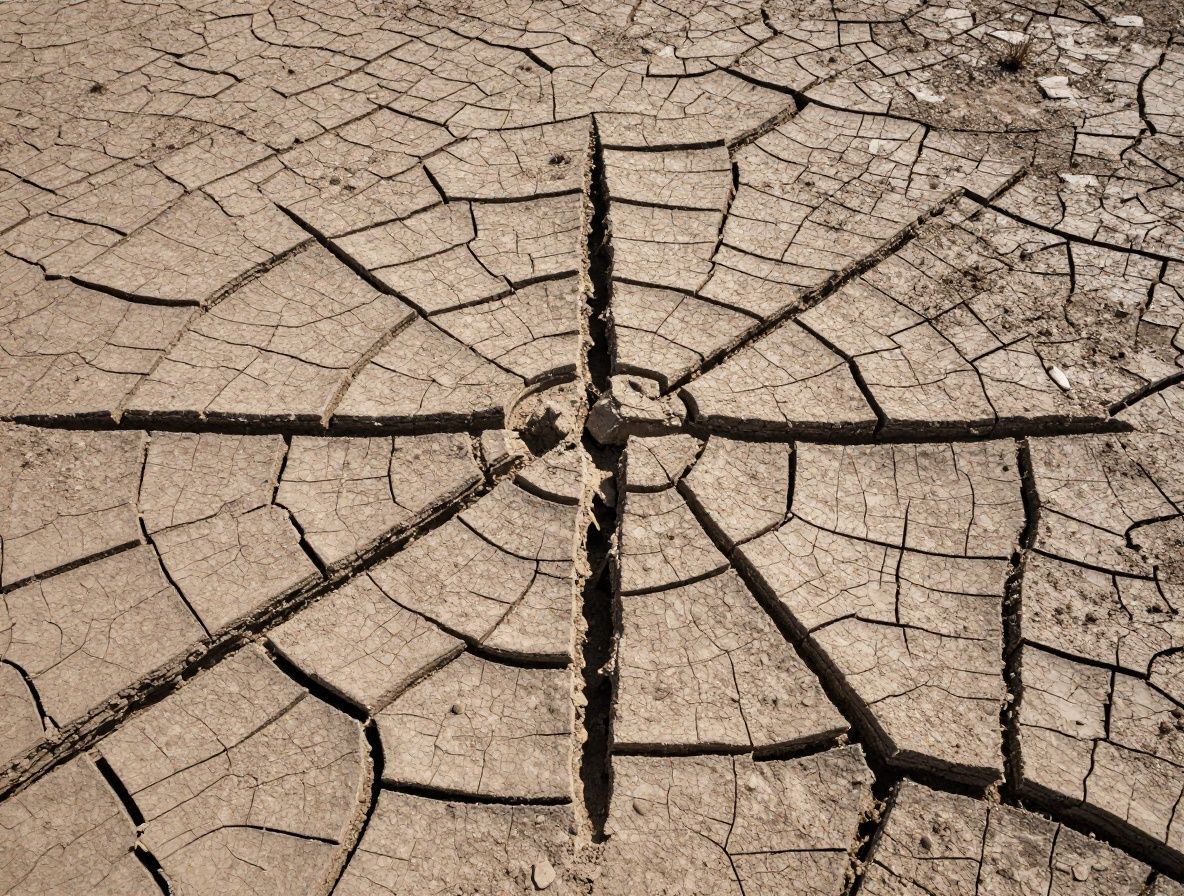
Energy levels should remain consistently high throughout adulthood
This assumption ignores the natural variability of biological energy systems. Fluctuation is a normal feature of physiology, not a sign of deficiency.
Vitality follows natural rhythms, not a linear trajectory
Energy and vitality shift across daily, seasonal, and life-stage cycles. Understanding these rhythms provides a more accurate framework than expecting constant uniformity.

Physical strength is the primary indicator of male well-being
Reducing well-being to physical strength overlooks the physiological complexity of male health, including hormonal balance, neurological function, and metabolic regulation.
Well-being is multidimensional and context-dependent
A comprehensive view of male physiological well-being accounts for multiple interacting systems — physical capacity is one factor among many that shape overall balance and function.
Approaches to Male Vitality Across Time
Different eras and cultures have developed distinct frameworks for understanding and maintaining male vitality. Reviewing these approaches offers perspective on how knowledge in this area has evolved.

Holistic Systems of the Ancient World
Early Ayurvedic and Greco-Roman frameworks approached male vitality through the lens of balance between elemental or humoral forces. Rest, nutrition, and seasonal adaptation were central concepts.
Scholarly Synthesis of Eastern and Western Knowledge
Medieval scholars compiled and extended classical knowledge, producing encyclopedic works on male physiology. Botanical observations and dietary prescriptions were integrated into broader philosophical frameworks.
The Emergence of Modern Physiological Understanding
The scientific revolution brought structured inquiry to male physiology. Concepts of metabolism, endocrinology, and neural function began to replace humoral theories, establishing a more empirically grounded framework.
Integrative and Environmental Frameworks
Current understanding integrates molecular biology with environmental science, recognizing that well-being is shaped by genetics, lifestyle, ecology, and psychological context in dynamic interaction.
The Role of Daily Routines and Rhythms


Sleep and Recovery Patterns
Sleep is a foundational element in physiological regulation. The body's repair and hormonal cycling processes are closely tied to the duration and consistency of sleep periods. Understanding the architecture of sleep — including its phases and their functions — provides context for the role rest plays in overall balance.

Physical Activity and Movement
Regular physical movement interacts with multiple physiological systems simultaneously, from cardiovascular function to metabolic regulation. The pattern and type of activity — not simply its intensity — plays a meaningful role in how the body maintains its equilibrium over time.

Nutritional Patterns and Timing
The composition and timing of food intake have direct relevance to how the body sustains energy across the day. Patterns of eating — not individual food choices in isolation — shape the metabolic rhythms that influence broader physiological balance.
How Environment Shapes Male Well-being
The external environment in which a person lives and works exerts significant influence over physiological states. Natural light exposure, ambient temperature, air quality, and the distinction between urban and rural environments all intersect with male physiology in documented and theorized ways.
Seasonal variation introduces another layer of complexity. Changes in daylight duration, temperature, and atmospheric conditions correspond with measurable shifts in biological rhythms, affecting sleep patterns, metabolic rate, and mood regulation across the year.
Urban environments, characterized by artificial lighting, reduced green space, and elevated ambient noise, present a distinct set of environmental inputs compared to more natural or rural settings. These distinctions are not value judgments but contextual observations relevant to understanding how environment participates in overall well-being.


Frequently Asked Questions
A selection of questions that contextualize the scope and purpose of this resource.
Male physiological well-being refers to the optimal functioning of the male body's systems — encompassing physical condition, energy patterns, hormonal balance, and adaptation to environmental factors. It describes a holistic understanding of how the body maintains equilibrium across different conditions and life stages.
Consistent daily routines — including patterns of sleep, physical activity, and dietary habits — play a significant role in supporting male vitality. These routines help regulate internal body clocks and contribute to sustained energy and balance over time.
Yes, the environment significantly impacts well-being. Exposure to natural light, air quality, climate, and urban versus rural settings can all play a part in influencing physiological responses and overall balance.
Get in Touch with Aevoro
For questions about the materials presented on this resource, or for general correspondence, the following contact details are available. Aevoro welcomes inquiries related to the educational content covered across these pages.
Jakarta Pusat, DKI Jakarta 10510,
Indonesia

Deepen Your Understanding
Explore the full scope of structured materials available on this resource, from historical perspectives to contemporary contextual frameworks.